

Losing weight can be a life-changing experience. But excess skin can be an unwanted result.
Many people face this issue after significant weight loss. The extra skin can cause discomfort, affect self-esteem, and even lead to health problems. Removing this skin can be a solution, but the cost is often a concern. In this blog post, we will explore the expenses involved in this procedure.
Understanding the costs can help you make an informed decision. We’ll break down the factors that influence the price, from surgeon fees to aftercare. By the end, you’ll have a clear picture of what to expect financially. This information will guide you in planning for a smoother, more confident transition after your weight loss journey.
Factors Affecting Cost
The type of surgery affects the cost. Simple procedures cost less. Complex surgeries cost more. Each type of surgery has its own price range.
Location matters a lot. Big cities often have higher costs. Smaller towns may be cheaper. Different countries have different prices too.
An expert surgeon charges more. Experienced surgeons are in high demand. You may pay more for their skill. It’s worth it for better results.

Credit: floridaweightlossmd.com
Types Of Procedures
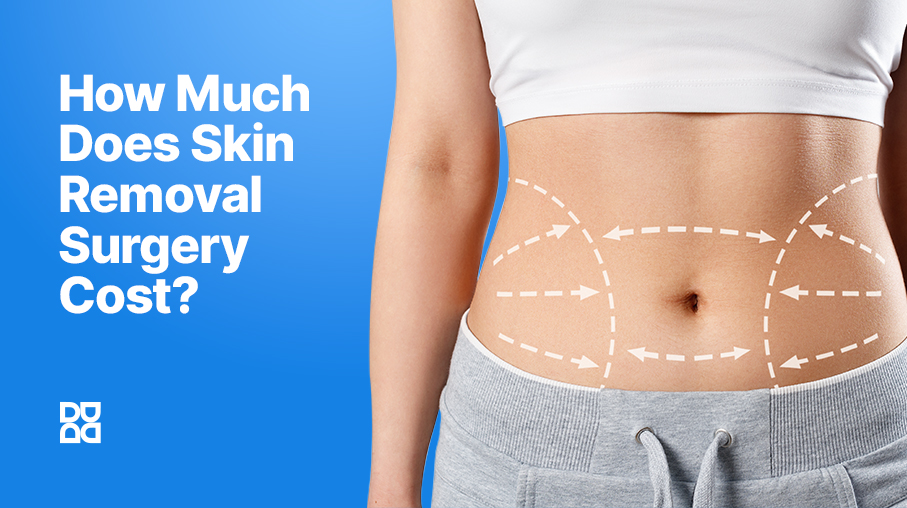
A tummy tuck helps remove extra skin and fat from the belly. It also tightens muscles. This procedure can give your stomach a flatter look. Costs may vary. Factors include the surgeon’s experience and location.
An arm lift helps remove loose skin from the upper arms. It can make the arms look more toned. Some people may have scars. The price can depend on the clinic and the surgeon.
A thigh lift helps with saggy skin on the thighs. This procedure can give a smoother look. Recovery time can vary. Costs depend on many factors.
A full body lift addresses loose skin on multiple areas. It can include the stomach, back, legs, and arms. This is a major surgery. The cost is higher due to the complexity.
Pre-surgery Considerations
Your doctor will check your overall health. This step is very important. You may need blood tests. These tests help find any hidden problems. Healthy people heal faster.
During your consultation, ask many questions. Understand the risks. Talk about your goals. The doctor will explain the process. You should feel comfortable with your doctor.
Understand what the surgery can and cannot do. You may have scars. The skin will not be perfect. It is important to have realistic goals. This helps in feeling happy with the results.
Credit: www.vidawellnessandbeauty.com
Breakdown Of Expenses
Surgical fees can vary. The surgeon’s skill level affects costs. More skilled surgeons charge higher fees. Complex procedures cost more. Geographic location also matters. Cities often have higher fees.
Anesthesia is necessary for the surgery. Anesthesiologists are highly trained. Their fees can be high. The type of anesthesia also impacts cost. General anesthesia costs more than local anesthesia. The length of surgery affects anesthesia cost too.
Hospitals charge for using their facilities. This includes the operating room. Recovery room costs are included too. Overnight stays increase the cost. Hospital charges vary by location. Some hospitals are more expensive than others.
Post-operative care is crucial. It includes follow-up visits. Medication costs are part of it too. Some patients need physical therapy. Special garments may be required. These help with healing.
Insurance And Financing
Insurance might cover some of the costs of removing excess skin. This usually happens if the surgery is medically necessary. Some insurance companies cover excess skin removal if you have skin infections. Always check with your insurance provider first.
Many clinics offer payment plans. These plans help you pay for surgery in installments. This makes the cost more manageable. You can often spread the payments over several months. Ask your surgeon about available plans.
Financing options are also available. Some companies offer medical loans. These loans let you pay for surgery over time. Interest rates may vary. Compare different options to find the best deal.
Credit: www.denefits.com
Recovery Process
After surgery, you may feel tired. Rest is very important. Nurses will help you manage pain. They will give you medicine. You may have tubes to drain fluids. These are normal. Follow your doctor’s instructions carefully. Drink water. Eat healthy foods. Avoid heavy lifting.
Healing takes time. Swelling will go down in weeks. Scars will fade over months. Wear compression garments. These help reduce swelling. Follow your doctor’s advice. Attend follow-up appointments. Report any concerns. Stay active. Light exercise helps recovery.
- Eat balanced meals
- Stay hydrated
- Avoid smoking
- Follow wound care instructions
- Rest as needed
- Wear compression garments
- Attend all follow-up visits
Potential Risks
Infection is a risk after surgery. Bacteria can enter the wound. This causes redness and pain. Antibiotics can treat infections. In some cases, another surgery may be needed.
Scarring is common after surgery. The skin may heal with marks. These marks can be large or small. Creams and treatments can help reduce scars. Over time, scars may fade but not go away completely.
Complications can occur during or after surgery. Bleeding is one risk. Blood clots may form. Some people have allergic reactions to anesthesia. Nerve damage can also happen. Always discuss risks with your doctor.
Success Stories
Many people shared their journey of removing excess skin. They feel more confident. One person said it was worth every penny. Another person said their life changed for the better. They can now enjoy activities they once avoided.
Friends and family noticed a huge change. They received lots of compliments. They also felt more comfortable in their own skin. Many said they should have done it sooner.
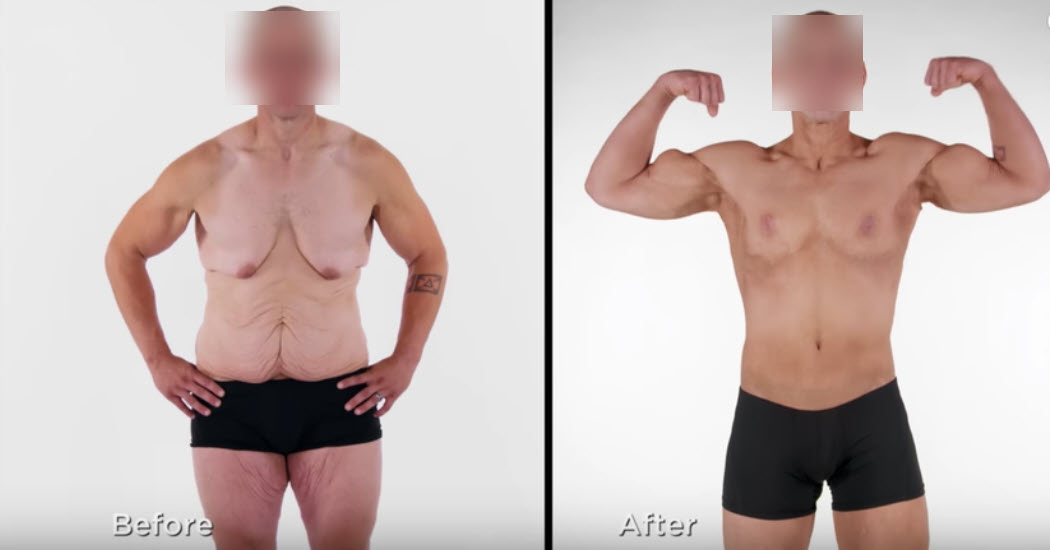
The difference is clear in before and after photos. Loose skin can be a problem after weight loss. Removing it can make a big difference. The body looks more toned and fit. Clothes fit better. Many feel more attractive and happier.
Seeing the results gives people hope. They see that their hard work has paid off. It’s a big step in their weight loss journey. They feel proud of their new body.
Frequently Asked Questions
How Much Does Skin Removal Surgery Cost?
The cost of skin removal surgery varies widely. It can range from $5,000 to $30,000 depending on the extent of the procedure and the surgeon’s expertise.
Does Insurance Cover Skin Removal After Weight Loss?
Insurance coverage for skin removal surgery varies. Some policies may cover it if deemed medically necessary, but many consider it a cosmetic procedure.
How Long Is The Recovery From Skin Removal Surgery?
Recovery from skin removal surgery typically takes several weeks. Most patients can return to normal activities within 4 to 6 weeks.
Are There Risks Associated With Skin Removal Surgery?
Yes, skin removal surgery carries risks. These include infection, scarring, and complications from anesthesia. It’s important to discuss these with your surgeon.
Conclusion
Removing excess skin after weight loss can boost confidence. The costs vary widely. Factors include the surgeon’s skill, location, and procedure complexity. Consult with a qualified professional to get an accurate estimate. Your health and comfort should come first. Proper planning can help manage expenses.
Achieving your desired body shape is worth the investment. Take the first step today. Enjoy the rewards of your hard work and dedication.